


At Respun, we believe that sustainable practices must be accessible and community driven such that recycling becomes a part of our everyday actions. Over the past six months, we have been working to make this route of upscaling easy and flexible for everyday consumers. Today, we are proud to enhance our model through our collaboration with Why Waste Wednesdays Foundation as their official recycling partner.
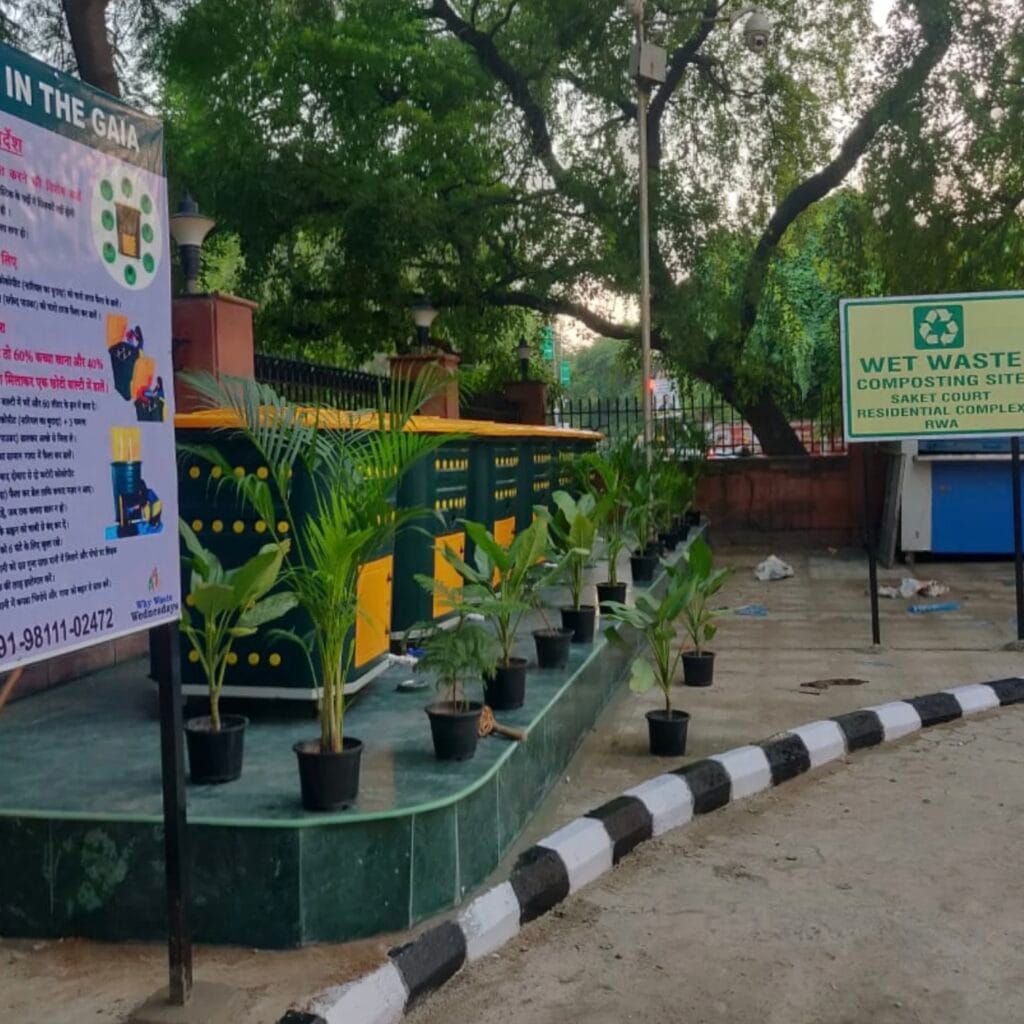
As a model looking into contributing to the sphere of sustainability we believe in empowering models which support one another creating a circular economy and sustainable future. This collaboration aligns with the work of visionary changemaker Dr. Ruby Makhija. She has been a force behind the transformation of Delhi’s Navjeevan Vihar into a zero waste colony – a space that hasn’t sent a single garbage bag to landfill in over six years.
Through introduction of a culture of at source segregation, daily awareness drives, and a community run Triple-R (Reduce, Reuse, and Recycle) centre, her work has proved the sustainable civic outcome of a drive. From composing wet waste to redistributing over 30 tonnes of reusable goods, the model stands as an evidence that change is possible when everyone plays their part.
One of the most powerful and often misunderstood elements in this model is clothing recycling.
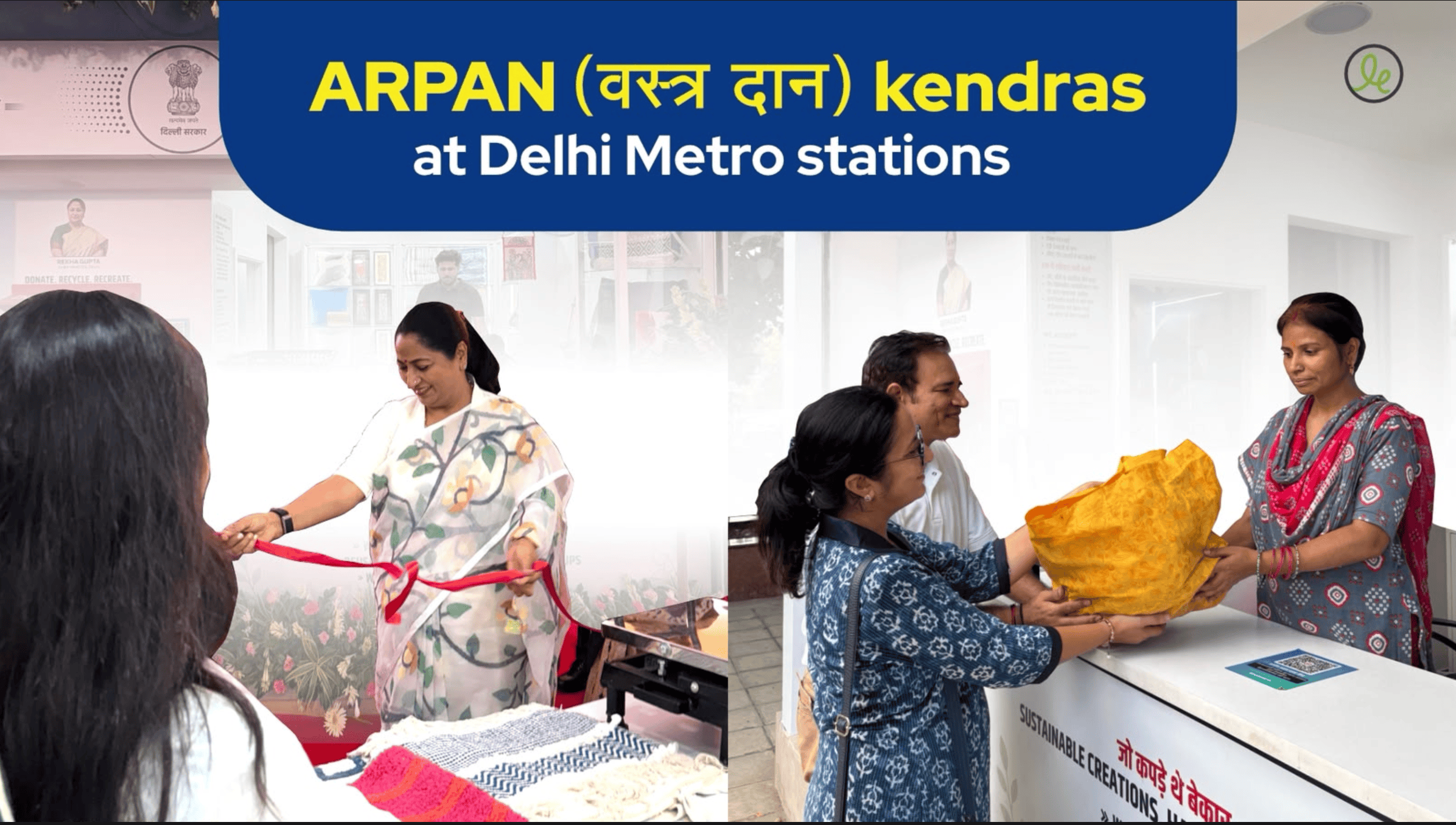
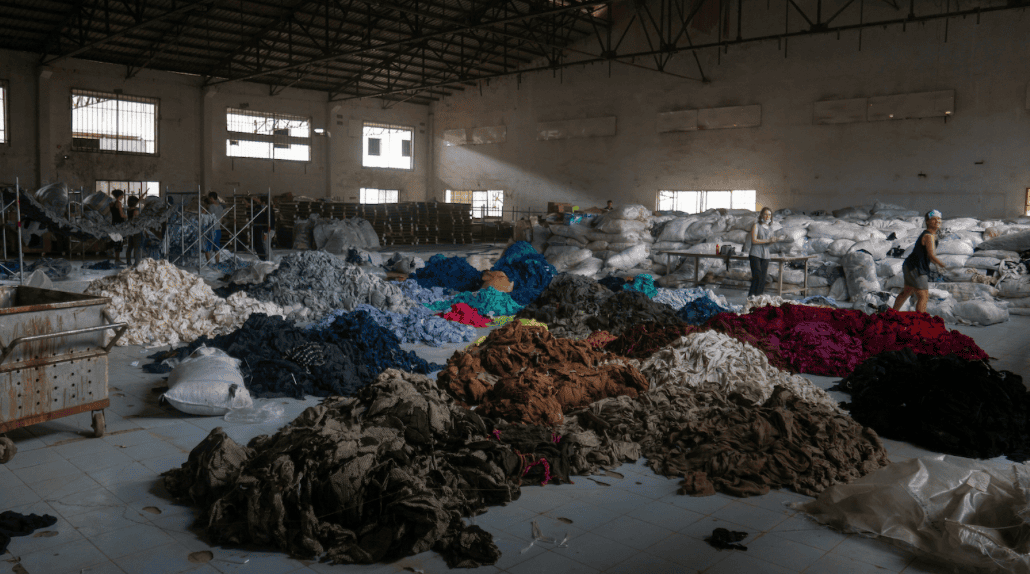
“Recycling is often misunderstood as reuse—but they are fundamentally different,” explains Dr. Makhija. “While some clothes can be reused, a large portion is not in a condition for reuse and typically ends up as litter or in landfills because people simply don’t know what to do with them.”Including textile recycling in the zero waste strategy was crucial to assist with the formation of a responsible channel for these garments. By collaborating with recyclers like Respun, the team has launched a 24×7 clothing drop- off point at the Navjeevan Vihar RRR centre, where you can donate clean, dry, non reusable clothing ensuring its responsible recycling. These textiles will be reintegrated into the economy in the form of utility products thereby reducing waste and environmental impact.
In urban India, recycling is often viewed as inconvenient. Dr. Makhija’s emphasis on this perception has led her to build her work to challenge this mindset: “That perception comes from not having accessible or visible systems.” Allowing the residents to drop off items anytime without gatekeeping she states, “We also organize regular Recycle Melas, where people not only hand over segregated waste but also receive awareness, and real-time transparency about where their waste is going.”
Her emphasis on human interaction with sustainability is highly regarded as she believes “ When people see that their actions lead to tangible environmental and social benefits, the idea of recycling shifts from being inconvenient to empowering.”
However, these outcomes are not possible without strong public- private partnership. She elaborates “our foundation mobilizes citizens, creates awareness, and mobilizes collection, recyclers like Respun bring the technical infrastructure and processing capacity apart from logistics support that completes the loop.” This creates a synergy which allows us to move beyond static efforts and towards responsible outcomes.
What does this look like in the long term? Dr. Makhija visualised a circular city in India is a bold yet achievable goal “Every home and institution would practice segregation at source, supported by hyperlocal composting and accessible drop-off points for recyclable and reusable materials.Citizens would be aware and engaged, and all stakeholders—RWAs, government, industry—would work in tandem. Technology would enable traceability, and every product would be designed with its end-of-life in mind.”
She aims to create a formal system where circularity will no longer be a buzzword but rather would be embedded in everyday governance and lifestyle.
This view is also informed by her training as a doctor. “As a doctor, I understand how intimately waste management affects public health—be it through air pollution from burning waste, groundwater contamination, or vector-borne diseases due to unmanaged garbage.This drives me to build systems that prevent exposure to waste-related hazards and promote holistic wellbeing—especially in dense urban settings where such risks are amplified.” Her work and collaborations are driven towards shifting from cure to prevention where waste management lies at its core.
The partnership is an evidence to the idea that the project we empower at Respun, is about sustainability into the fabric of our everyday lives through transparency, community ownership and supporting other institutions who empower the similar mindset. With this project we hope to set a model for how urban localities can tackle tactile waste with long term grass root and collaborative solutions.
We thank Dr. Ruby Makhija, for her imperative vision and for supporting and enabling this collaboration.
Best wishes