
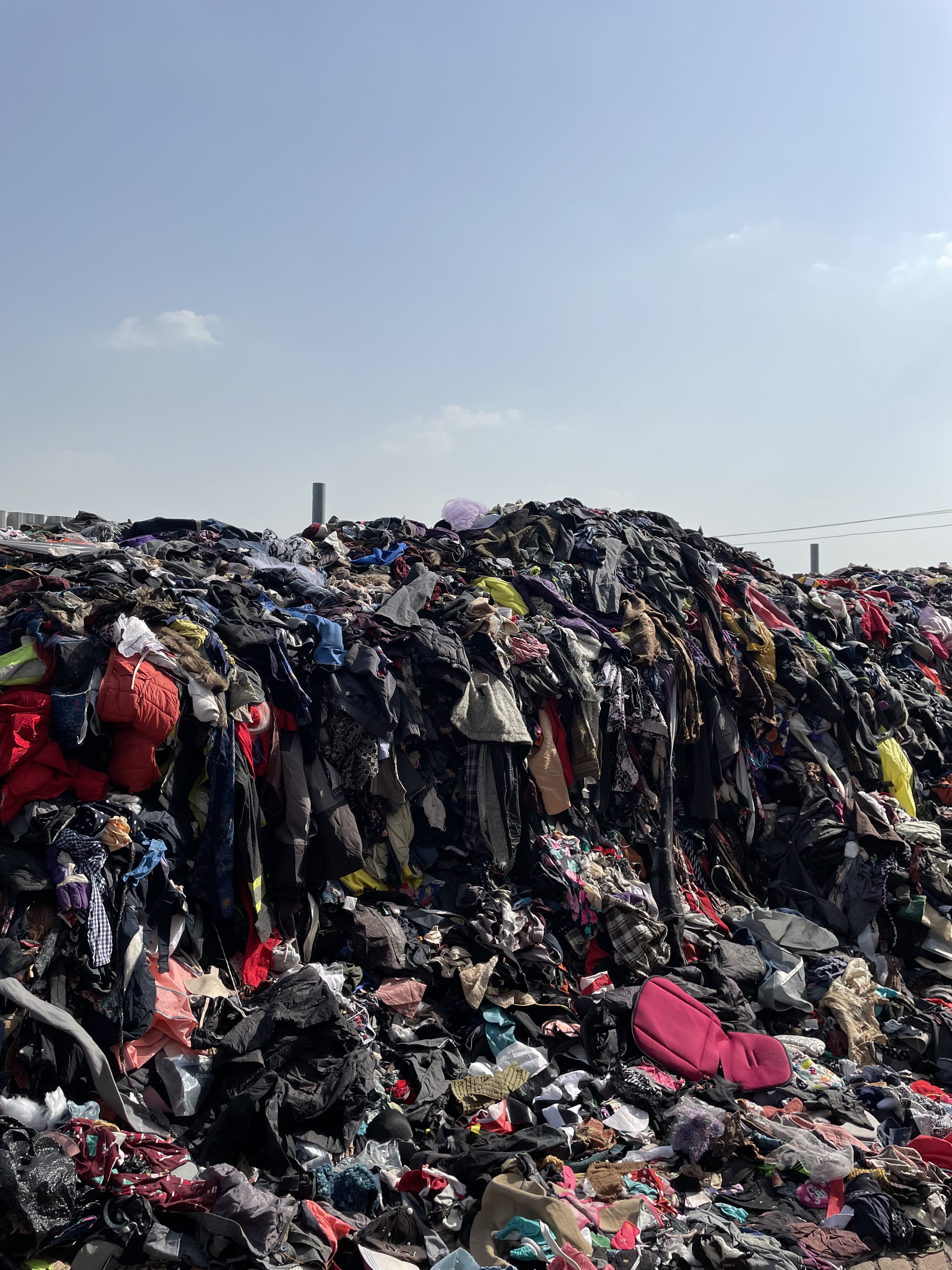

Walking through Panipat today, you won’t just hear looms, you’ll witness an entire city quietly redefining what textile circularity looks like. For decades, Panipat has not waited for sustainability mandates or global pressure. It has rewritten its own narrative, not by predicting change but by building it with its own hands.
Since the 1980s, Panipat has evolved from recycling old woollen sweaters into yarn to becoming Asia’s largest textile recycling hub, home to over 200 recycling units that process global textile waste at a scale few cities can imagine (Closed Loop Fashion, 2023; Fibre2Fashion, 2024). What began as a local initiative has grown into a global circular system: discarded garments from the West arrive here, are mechanically recycled into new fibres, and return to international markets as blankets, carpets and home furnishings (Tribune India, 2023).
Panipat’s strength lies not merely in machinery, but in people. Entrepreneurs without external funding built this ecosystem piece by piece, modifying machines, repurposing tools, and innovating processes long before “circular economy” became a buzzword (NDTV, 2024). Their resilience, paired with the city’s deep handloom heritage, created a self-sustaining cycle where recycled yarn found immediate offtake, allowing circularity to become not just viable, but inevitable.
The numbers support this narrative.According to NDTV (2024), Panipat recycles over 400,000 kg of textile waste daily, preventing it from reaching methane-generating landfills. Mechanically recycled fibres require up to 60% less energy than virgin production (Closed Loop Fashion, 2023), and textile recycling in Panipat reduces the carbon footprint of products by over 30% on average (Fibre2Fashion, 2024). This is not just industrial efficiency — it is climate action embedded into the fabric of a city.
But the story isn’t statistical. It is a mandate for what successful city planning can look like. We can create our own Paris if the families sort fabrics together, artisans spin new yarn out of fibres that once lived another life, and young workers learn skills that turn “waste” into livelihoods. Panipat is more than a hub; it is a reminder that sustainability is built by communities who choose persistence over pollution.
Panipat teaches us something simple yet powerful: If you want circularity to make your reality become a reality, it needs hands, and actions. It needs systems built at the micro level, in warehouses, workshops, and neighbourhoods, before they can scale into global solutions.
At Respun, we celebrate cities that embody this spirit. Like Panipat, we believe change can be created through education, collective action, and responsible habits.