
The problem of fashion waste has never been unfamiliar. Most people today know that landfills are overflowing, emissions are rising and overproduction is accelerating. They see it all around themselves, in the form of increased waste disposal, rising AQI, and their own closets overflowing. And yet, the problem is unsolved and not actionable. Not because people don’t care but because caring is often inconvenient.
Circularity fails when it demands too much effort from individuals. We live in a world which is designed for ease. Clothes arrive at our doorstep in a day, returns are frictionless and trends change in the blink of an eye. Against this, unrealistic. Even though good intentions exist, they fail under bad design.
This is where most sustainability models break. They rely on awareness alone, assuming once people know better, they will do better. But behaviour does not work that way. People choose to fit ease into their lives, they fit what is accessible, and simple.
If circularity is to work at scale, it should be included into everyday systems, not as an added workload or another item that needs to be ticked off the checklist.
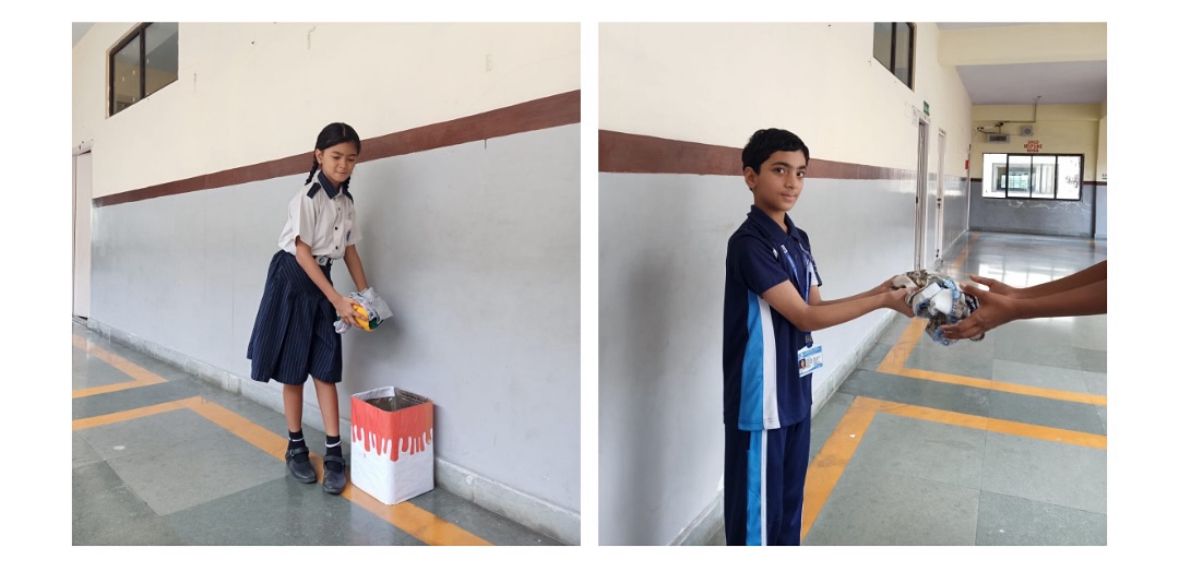
A way of making recycling convenient could be introducing recycling bins at your workplace, schools or in colonies. This is equivalent to digital payments or cycle lanes, these systems succeed not because people become more ethical but because the better choice becomes the easier one.
Fashion needs this same shift. This is why we aim to work at Respun: circular systems must meet people where they are- in their homes, colleges, offices and communities. Collection needs to be as simple as ordering clothes. We at Respun, do that for you. Our website entails clear instructions on making the picking up process easy for you. We build trust through transparency, so people know their clothes won’t quietly end up in a landfill anyway.
Convenience is the greatest enabler of sustainability. We design systems that reduce friction- from doorstep collection to clear communication on where clothes go next. The goal is to not make people feel guilty about consumption but to make responsible action feel achievable.
Change does not come from asking people to care more, it comes from designing systems that ask less, deliver more.