

Silhouettes, Shortage & Silence – Why Clothes Donations Fall Short in India’s Metro Cities

Metro cities like Delhi, Mumbai, Bengaluru and Hyderabad view donation as an act of goodwill only to realise that this act does not fill in the systematic gaps wherein garments piled up in donation piles never actually reach those in need. We at Respun address this gap by adding the element of clothing recycling. However, it becomes imperative to understand why this gap actually exists:
- Surplus = Suitable?
Just because one has surplus clothing that they wish to donate does not always indicate its requirement to be a suitable garment to be donated. In our blog “Why donation is not the answer to Fashion waste” we talk about the same problems. However, it’s imperative to understand them in depth. Most of the clothing items donated in metro cities are western clothes which are unwanted in rural areas because of cultural preferences. They lack versatility, clothes that are donated are usually pinteresty or trendy outfits which do not cater to the everyday needs of those in need.
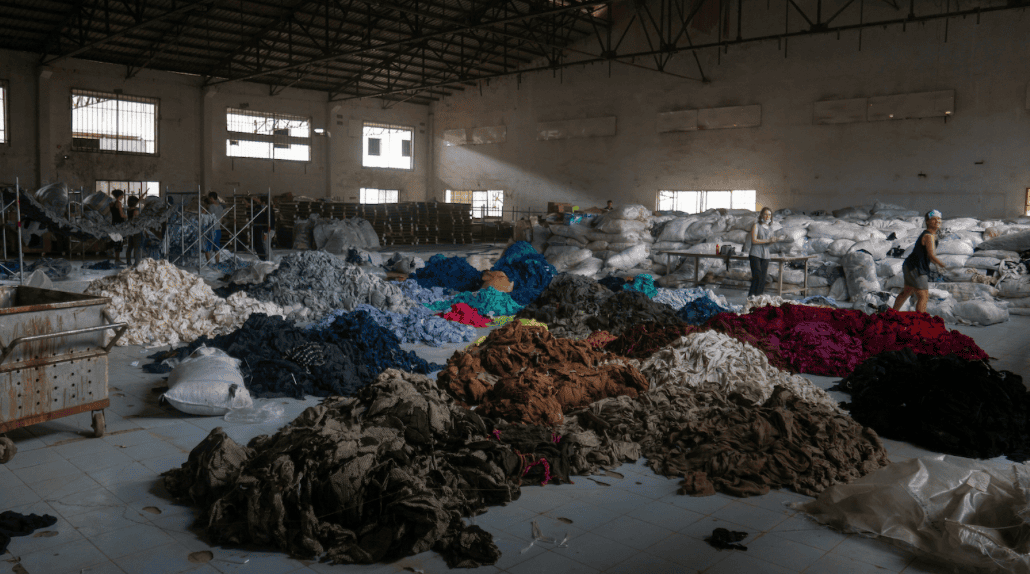
Most of the clothes that are donated are torn, stained, faded or heavily worn. Most of the donation centers cannot bear the costs refurbishing these items due to scarcity of time, money and space.

As a result most of these donations end up in landfills.
- Awareness & Incentive
Many people do not know how to donate effectively, which clothes are acceptable, how to prepare them or how to send them. Organisations that usually work in donation often lack visibility making it difficult to track their work and credibility. Even if they are credible they lack monetary sources to ensure safe transportation of these donated clothes to the needed areas. To add onto this, the absence of tax benefits or recognition by the government usually reduced motivation for these organisations to continue with their work.
- Environmental and human cost
Every unused garment adds to the already growing area of landfills leaking microplastics into the environment taking ages to decompose. The burden of sorting and cleaning falls on informal workers without gloves, masks or any kit to keep them from falling sick as a result of being exposed to unhygienic work space.
However, even though there exist gaps, there also is a presence of units which work to address them through promising paths. At Respun we address these gaps through:
- Clear communication: We use our social media outreach to educate people about the clothes we collect and how we recycle them addressing the gap between donation and change.
- Transparency: Donors are aware of how their clothes are being upcycled
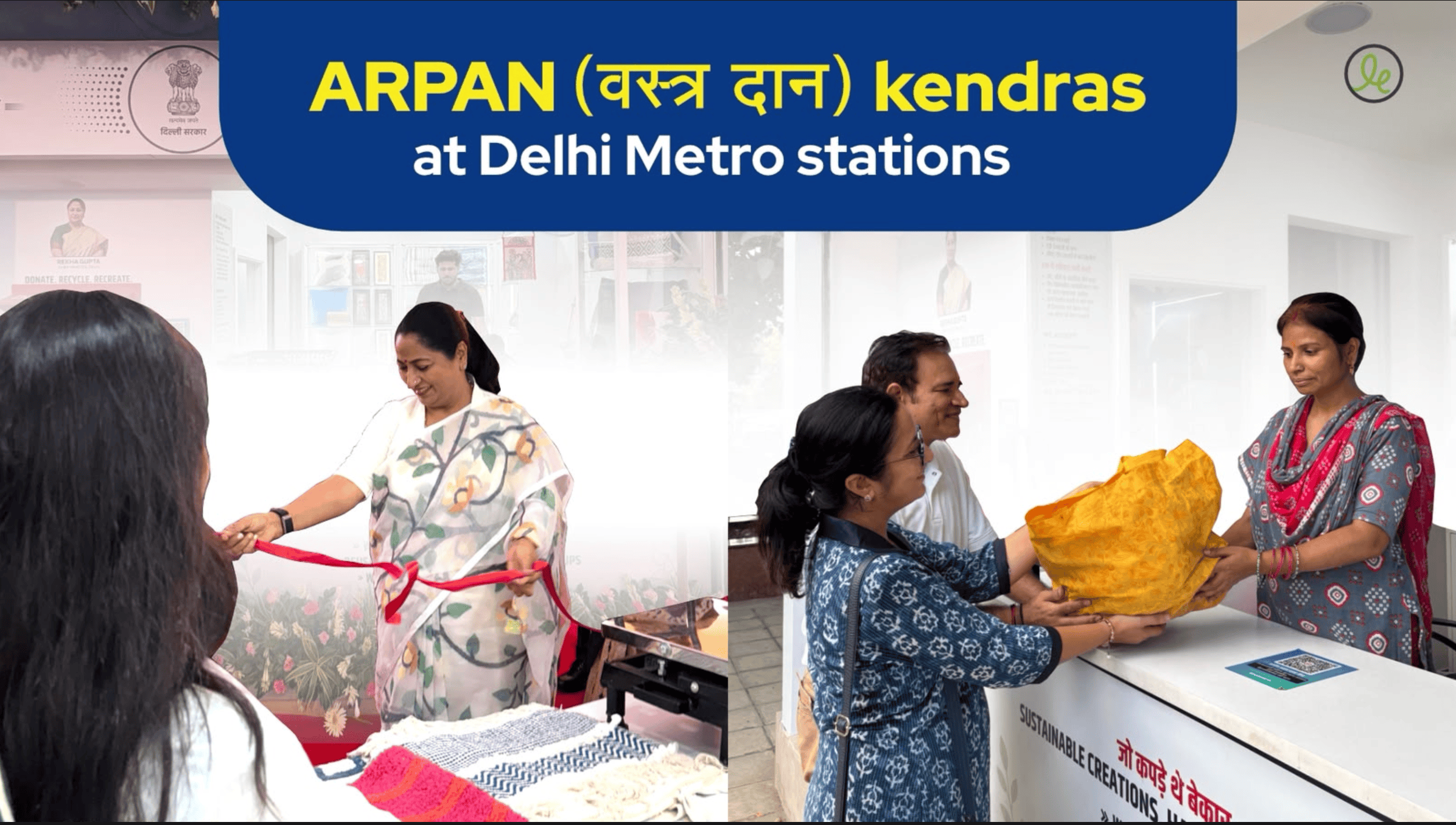
- Official drop- off points: We have our drop off points in areas of Delhi NCR making it easy for citizens in the area to donate their clothes and for the people who wish to contribute we provide services on our website to contribute to this change.
- Credibility: Our work with Mercer, Clovia is an evidence of our work towards environmental sustainability.
- Healthy & Safe employment: We provide rural women with employment opportunities in a clean and hygienic environment.
So, let’s take a step together to build a system which is rooted in thoughtful demand, building infrastructure to process donations properly and creating awareness.
Thanks!
Yess. You can book a pickup here https://respunindia.com/send%20clothes/
Is there a pick up in Hyderabad?