
There’s a small, almost silly guilt most of us carry now. The moment someone says, “Didn’t you wear that last time?” you suddenly become aware of yourself. Before weddings, birthdays, college fests, trips, and especially photos, you start calculating outfits instead of enjoying the moment. Repeating feels wrong, even when the clothes still feel right. Not because you don’t like them, but because somewhere along the way, “new” quietly became equal to “better.”
Getting dressed used to be personal. Now it often feels performative. Outfits aren’t just worn, they’re documented. And that’s really where sustainability begins: not in factories or landfills, but in the way we think about being seen.
Clothes aren’t disposable things. They hold memories. The kurta you wore the day you spoke confidently in class. The dress you wore when you laughed the whole evening. The shirt that just feels like you. We replay songs endlessly and rewatch comfort movies every year without embarrassment, yet clothes are expected to appear once and retire politely. Rewearing isn’t laziness, it’s familiarity. It’s comfortable. It’s identity.
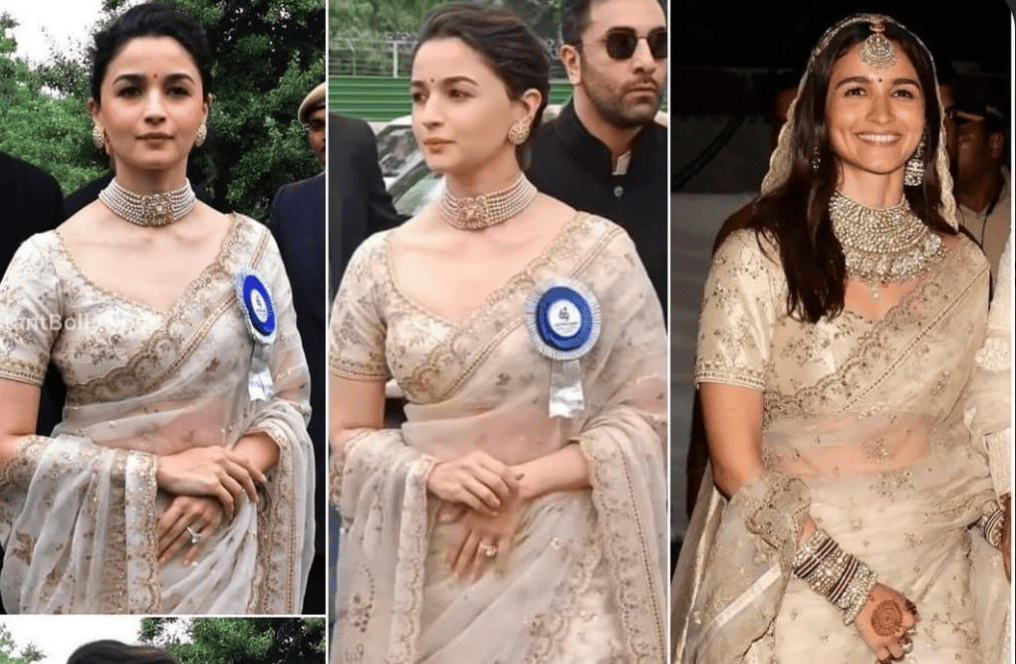
Style actually grows when you repeat. A dupatta changes, jewellery changes, shoes change, your mood changes, and suddenly the same outfit feels new again. The most stylish people don’t constantly replace; they reinterpret. Repetition doesn’t reduce individuality; it builds it. Interestingly, some of the people in the public eye in India have embraced this; Alia Bhatt rewore her ivory Sabyasachi saree to the National Film Awards. Globally, Catherine, Princess of Wales, is well known for rewearing coats and dresses across public engagements. Their message is simple: great style isn’t just about wearing something new every time; it’s about wearing what you love with confidence.
Buying less starts to feel natural once you notice this. Shopping promises a quick mood boost, but it fades fast, leaving a wardrobe full yet somehow empty. Many clothes, nothing to wear. Owning fewer pieces makes things easier, you remember what you have, you style it better, and you wear it more. Instead of searching for a better version of yourself in stores, you begin recognizing the one already there.
Repairing deepens that relationship. There was a time when sewing a button or fixing a tear was normal. Now replacing feels easier, mostly because newness has become a status symbol. But mending something changes how you see it. It becomes yours in a different way. Often the repaired pieces become favourites, not perfect, but personal. Sustainability here isn’t just environmental, it’s emotional.
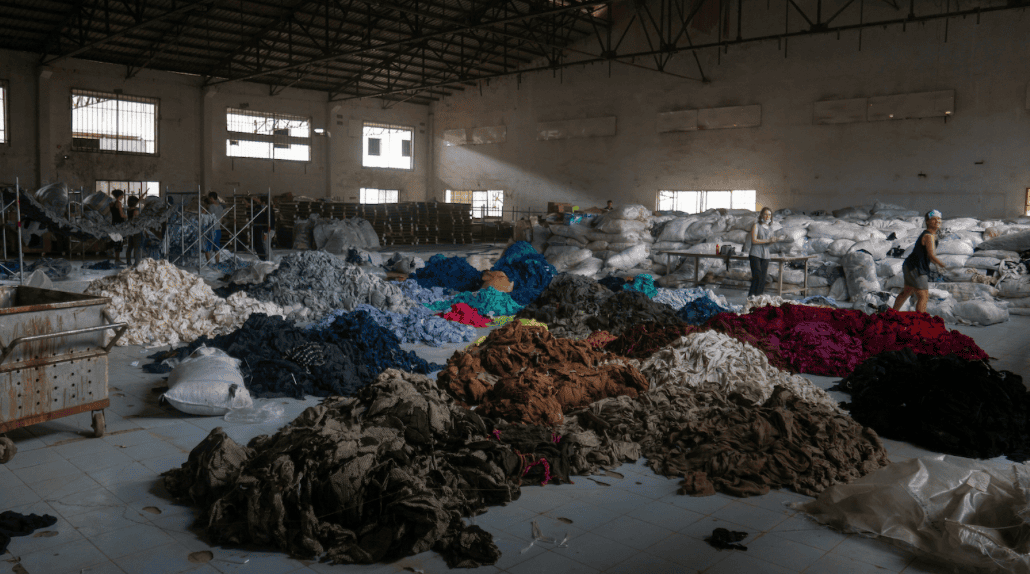
And responsibility doesn’t end when you’re done wearing something. Clothes don’t disappear after we throw them away; they just disappear from our sight. When a garment truly can’t be worn anymore, it still deserves care, passing it on thoughtfully, repurposing it, or recycling it properly. Ending well is part of using well.
Slow fashion, then, isn’t really about fashion. It’s about redefining enough. Enough outfits, enough trends, enough proof that you’re current. The best wardrobe isn’t the newest or the biggest, it’s the one that lives with you for a long time.
So repeat the outfit. Buy slower. Fix small tears. Let your clothes age with you. Sustainability isn’t sacrifice, it’s relief from constantly trying to be new. And maybe the most comforting realization is this: you were never meant to be interesting because your clothes change, but because they don’t have to.