


The climate crisis, despite making the headlines, has people feeling less engaged, less hopeful, and less motivated to act. Why does this paradox exist?The growing emotional disconnect is what we call sustainability fatigue. People are constantly told that the planet is in danger and that they are responsible for saving it. But every choice feels loaded; each purchase is accompanied by guilt. Over time, this pressure turns into numbness. When everything feels urgent, it becomes difficult to take action. Another problem faced by people, which pushes them deep into this paradox of a system, is the idea that they should consume less, but they are surrounded by systems that work in the opposite direction. Fast fashion is cheaper, faster, and more in sync with changing trends, and this makes it visible over sustainable options. Moreover, there is a gap in information provision. Sustainability messages often involve melting glaciers, rising temperatures, and collapsing ecosystems, and while they matter, they don’t feel as personal to individuals because their actions seem insignificant. This is where the fatigue lies, people think how does their choice even matter, when others do the same. The answer lies in changing the routes of communication. People don’t need more reasons to care. They need systems that make caring easier. Sustainability cannot rely solely on a system built on awareness and moral pressure. It needs design, convenience, and trust. When responsible choices fit naturally into daily life, action does not mean burden then. At Respun, we see sustainability fatigue as a sign that tells us the need to change our approach. Instead of constantly asking people to do more, we focus on reducing friction. We focus on simple actions that make a real impact, ensuring transparent outcomes and clear processes. When people see where their clothes go, understand their contribution to the impact, and participate without feeling overwhelmed, that is when engagement grows. Sustainability becomes less about perfection but more about participation.
You may also like
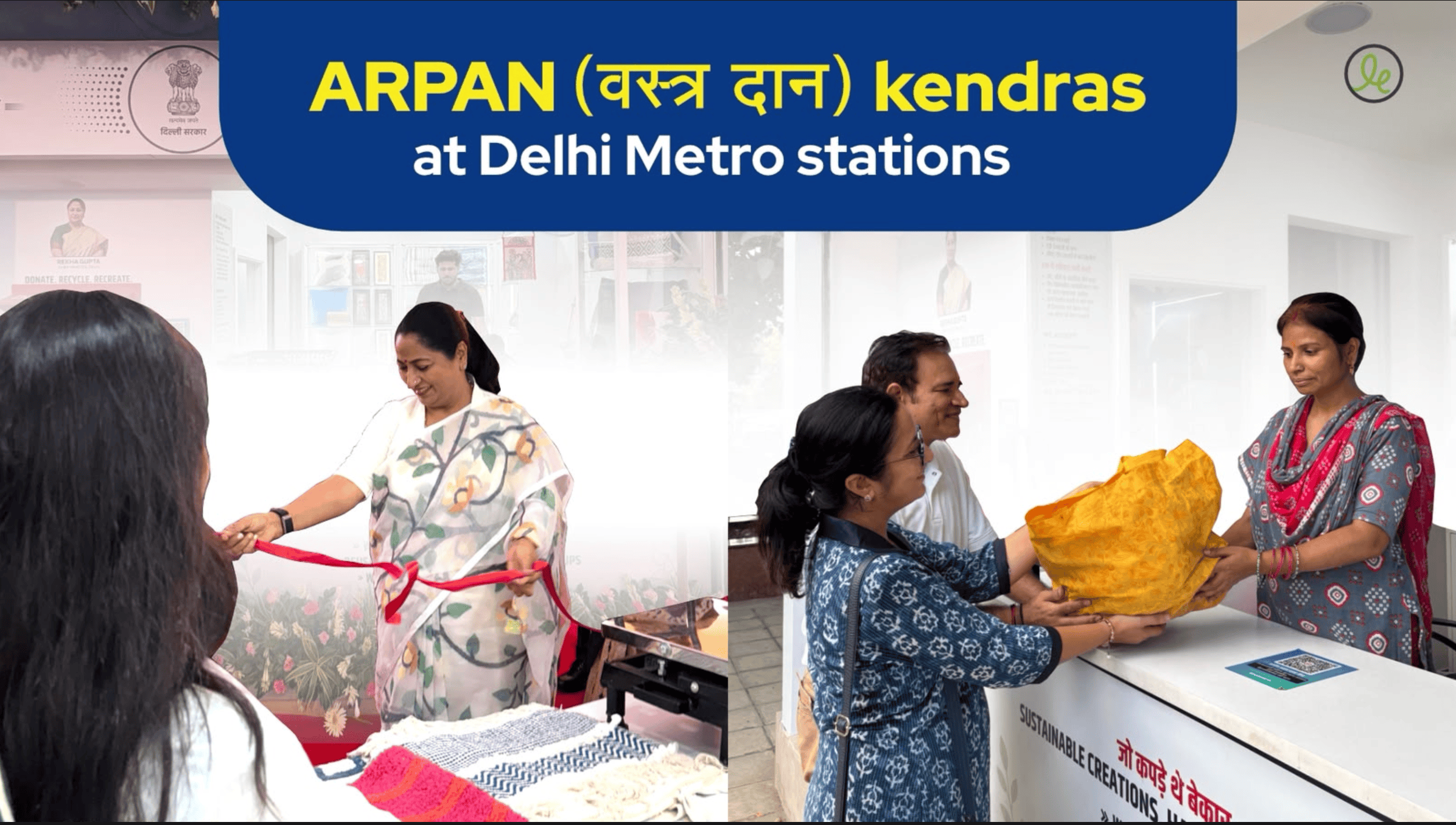
How hidden problem found it’s way into Public Consciousness
Located at the metro station, these collection centres offer people an easy place to give their clothes a second life. Instead of becoming waste, every donated garment enters a system which has been designed for convenience and maximising the sustainable value.
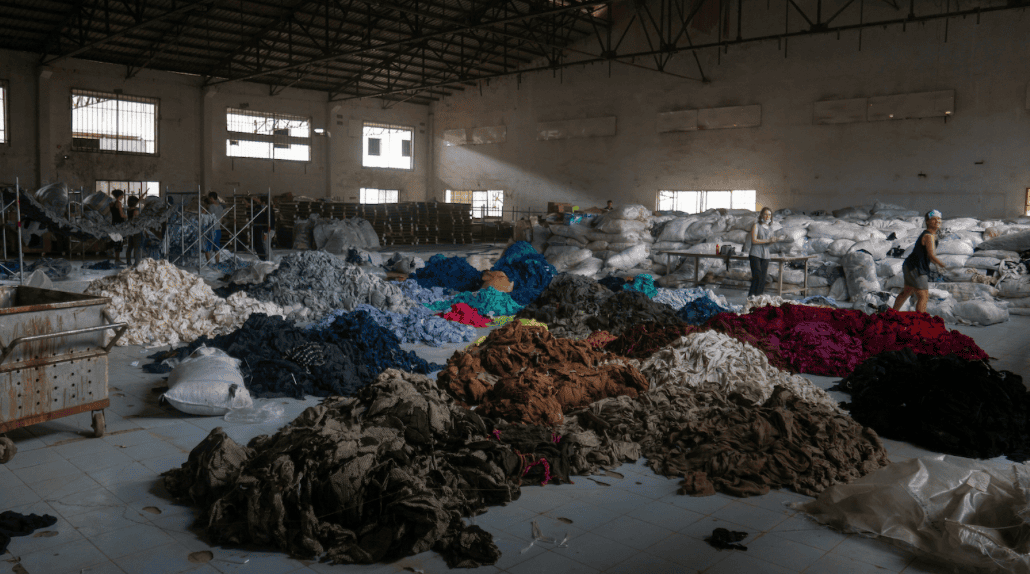
The city that gives clothes a second life: Panipat
Located at the heart of Haryana, Panipat is often called India’s textile recycling capital. In fact, it is one of the largest textile recycling hubs in the world, processing enormous quantities of discarded textiles every year.