
Thrifting has become the poster child of sustainable fashion. From curated vintage stores to resale apps, thrifting is now celebrated as a solution to fast fashion. And while it does play an important role, it is not the solution we need in the long run.
The ignored truth is that simple fashion waste is the problem of volume.
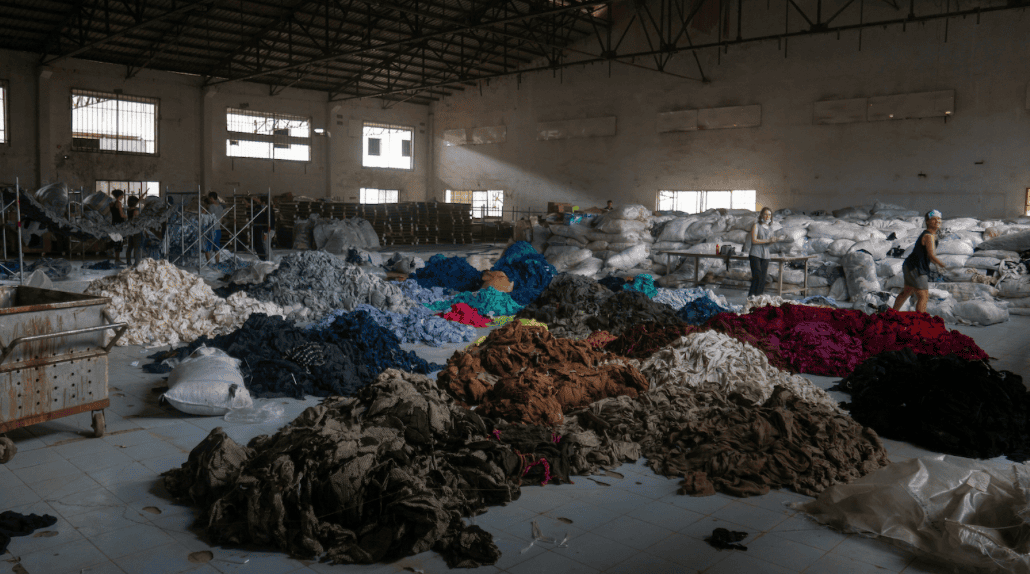
The Fashion Industry produces far more clothing than the world can ever wear. Every year, millions of garments enter circulation faster than they can be transferred to second-hand markets. Thrift stores and resale platforms can only take in what they can sell, and a large percentage of donated clothes never make it. Many of these clothes end up in landfills or are exported.
Thrifting slows down waste; it does not stop it.
Another truth is that thrifting, rather than hampering trend cycles, encourages it. Hauls, aesthetic curation, and “cheap finds” encourage volume buying, ideally just delaying the journey of a garment to the landfill rather than avoiding it forever. When clothes are treated as endlessly replaceable, even thrifted garments risk becoming short-lived.
We don’t imply that thrifting is wrong. What we want is an understanding that thrifting cannot carry the weight of a broken design system alone.
Fashion waste is not created for donation purposes; there are a lot of requirements that must be met for clothes to be donated. Brands produce too much, too fast, with little accountability for what happens after garments are sold. Without the systems addressing surplus, second-hand markets become overwhelming buffers rather than viable solutions.
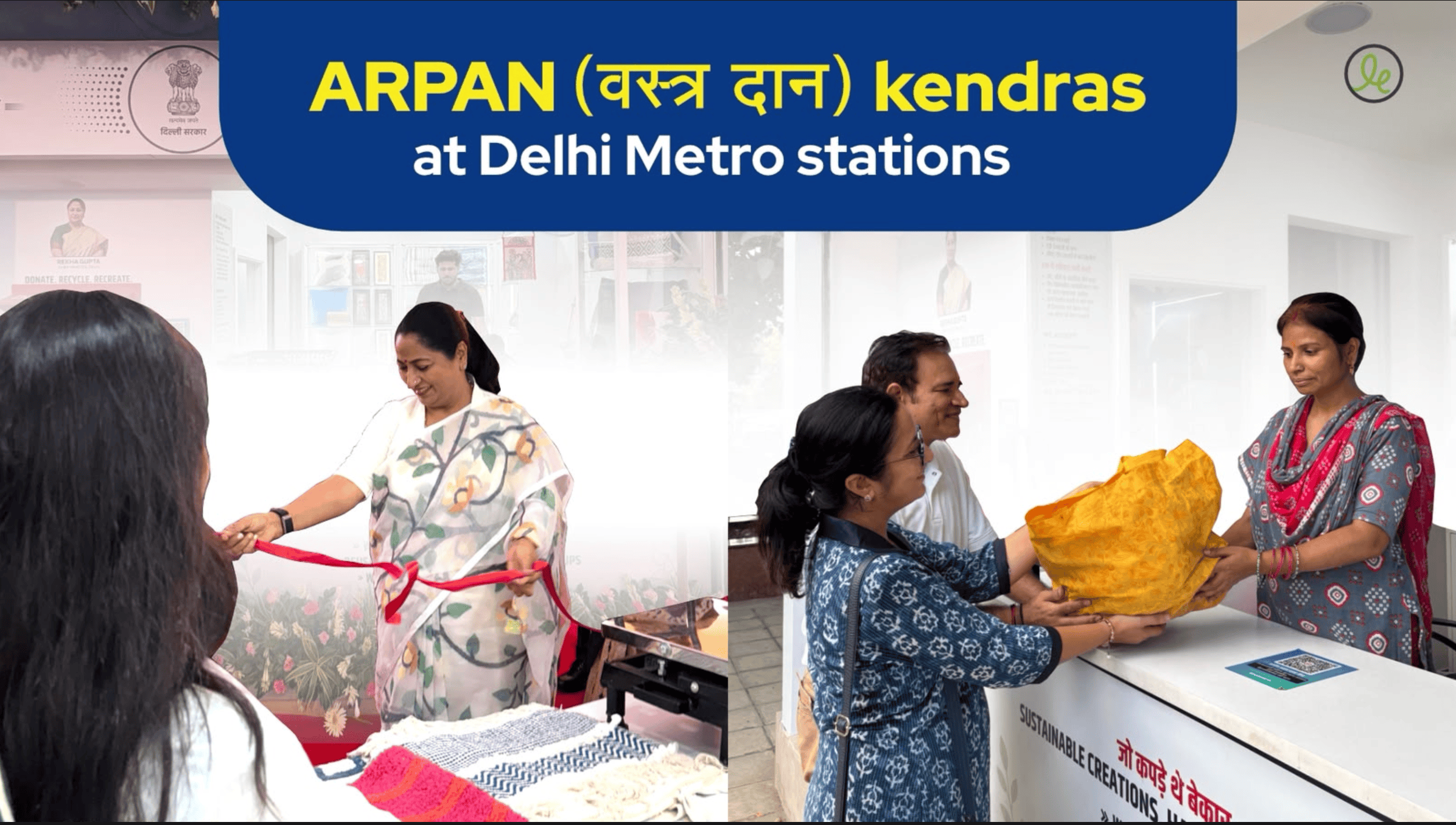
Real circularity begins when reserve supply chains are implemented, and infrastructure is mended. It requires designing garments with their second and third lives in mind. And it requires giving people options beyond donation when reuse is no longer viable.
At Respun., we see thrifting as a part of a large puzzle. It’s a meaningful element- but not something which completes the puzzle. Because not all clothes need a second body. Some need to be recycled, recycled into something new.
If we want to fix fashion waste, we need to look beyond individual choices and address the systems that make waste inevitable in the first place.