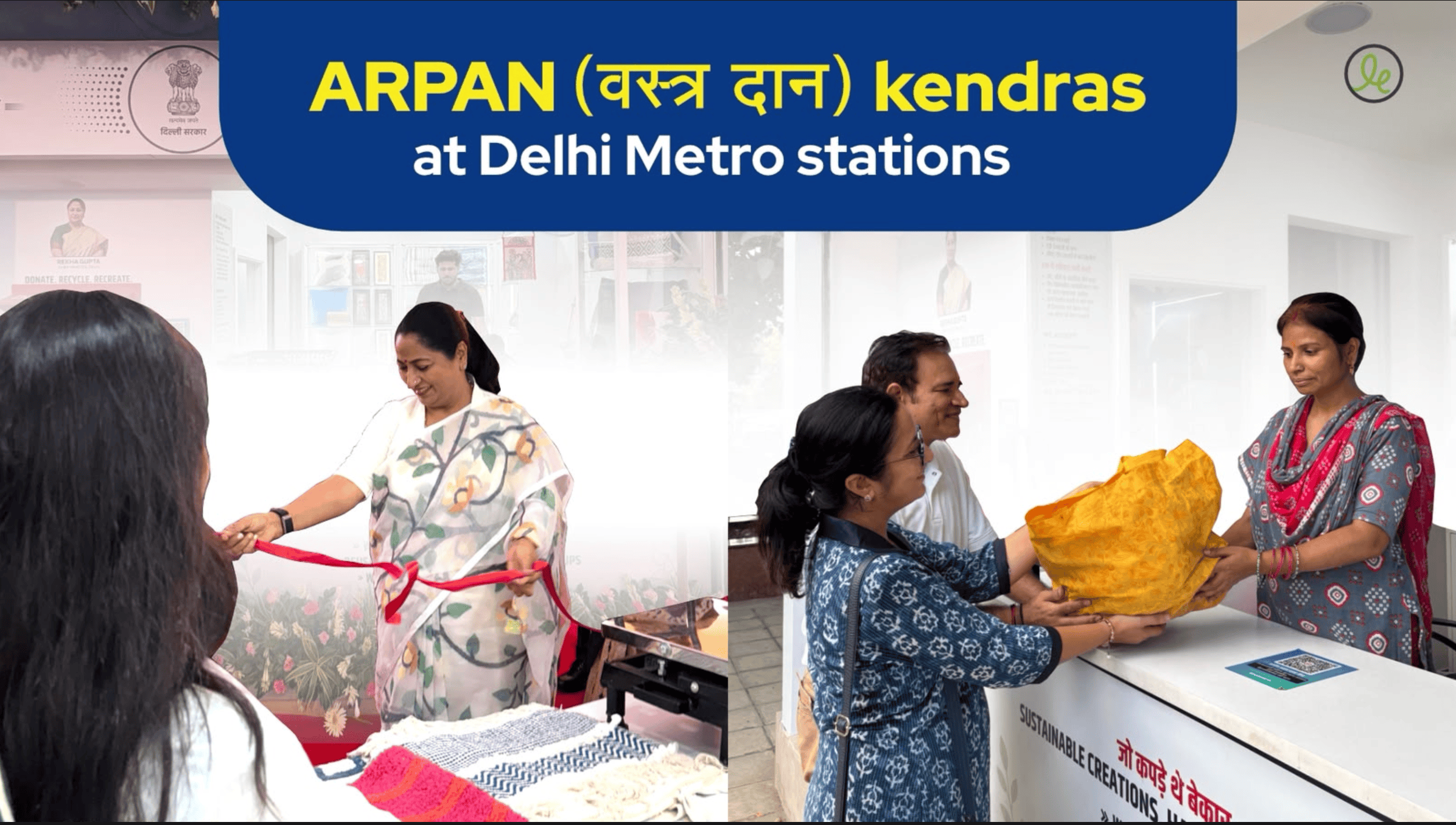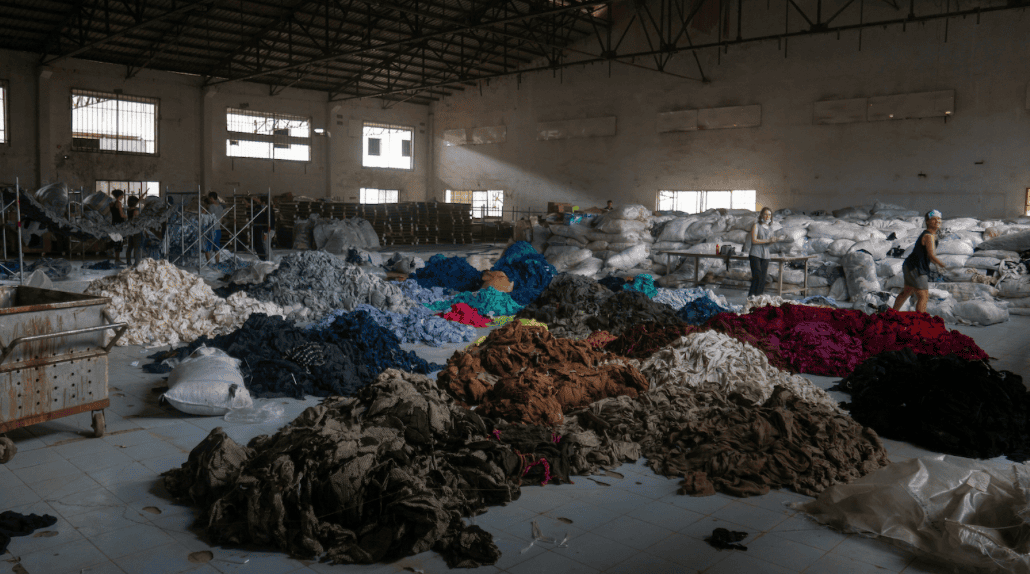
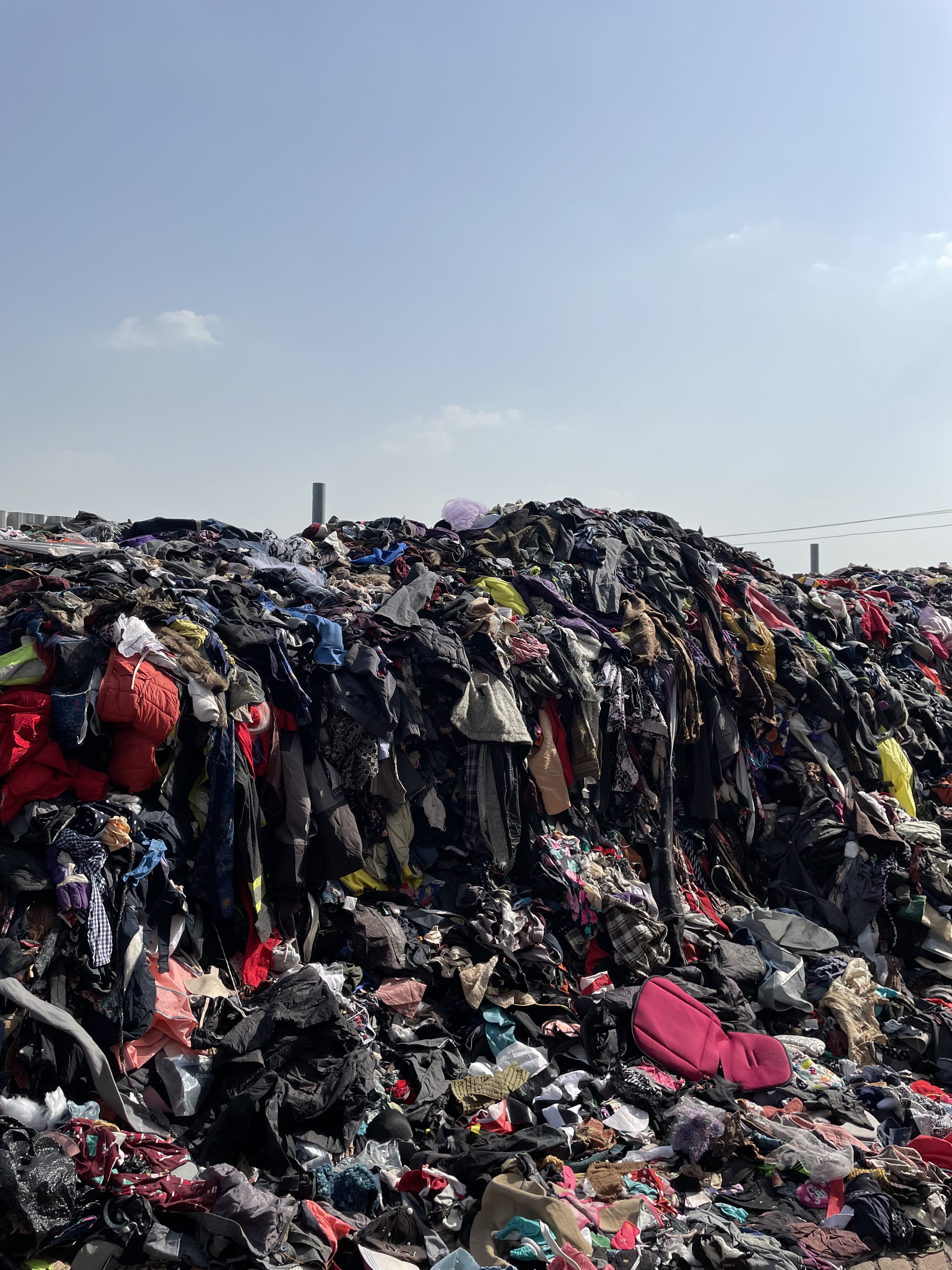

Circularity today is a challenge that the waste management systems in our society face – the problem of rethinking how materials flow through industries, in particular the fashion industry. Traditional supply chains have a simplistic route : Raw Materials -> finished goods, from production to consumption. In contrast, circular supply chains aim to integrate a system which is based on material return, reuse, recycling, extending the life of products that reduce environmental impact.
At the heart of this transformation is what we call the reverse supply chain, it is a network that focuses on moving goods and services backward from consumers to producers so that they can reuse, repair or recycle. Reverse logistics actively redirect materials out of landfills and inject them back into productive cycles, converting waste into value rather than cost (Maersk,2024). This is what separates a linear economy from a circular one.
Reverse supply chains matter for multiple reasons:
1) Environmental : By capturing materials that would have otherwise ended up in landfills and injecting them back into the production cycle, reverse logistics minimise resource depletion and reduce carbon emissions.
2) Material Visibility: Circular systems require detailed information on products and lifestyle cycles of raw materials. These logistics employ techniques like digital tagging, blockchain and AI sorting mechanisms to track these materials through each phase of reuse (Fibre2Fashion,2025)
3) Economic Drivers: Industry landscape is now shifting towards extended producer responsibility and stricter CSR mandates, which requires brands to manage their products even post sale. This reduces exposure to material price volatility and optimises material recovery.
4) Operational Efficiency: Optimised reverse supply chains improve inventory management and cost recovery. Products that are returned in good condition can be resold, helping brands capture additional value.
In theory, reverse supply chains are the logistical backbone of circular fashion. They enable the industry to transition from a liner to circular model where materials are recycled and waste is avoided at every step. The future of sustainable fashion falls on strategic design and efficient implementation of these systems.