The Hidden Social Impact of Textile Recycling: How Sorting Jobs Support Women in Indian Recycling Hubs

When we talk about textile recycling, the conversation revolves around its logistics – waste reduction, carbon savings, and circular economies. What rarely enters the frame is impact being made behind the lens. The human labour that dedicates hours to sorting and processing the waste collected – particularly the women whose hands are the reason the process is completed with efficiency.
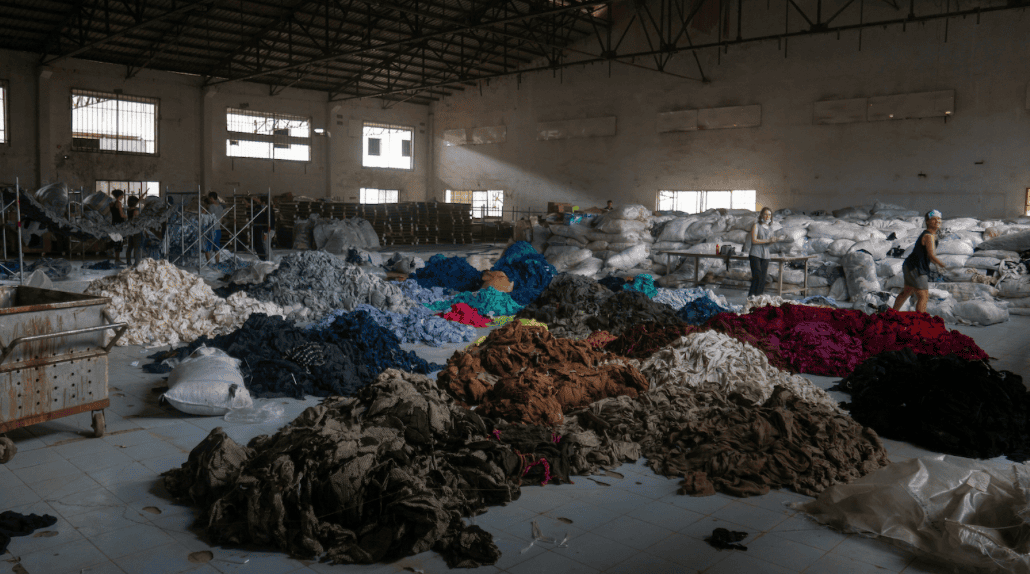
Across the Indian textile industry- recycling hubs- from panipat to Tiruppur, sorting units form the backbone of the recycling industry. Before a single fibre is reused or sent back into the cycle of circular use, garments require careful sorting in categories of colour, fabric type, wear and usability. This work requires attention, familiarity with textiles, and patience. It is labour- intensive and done mostly by women at Respun.
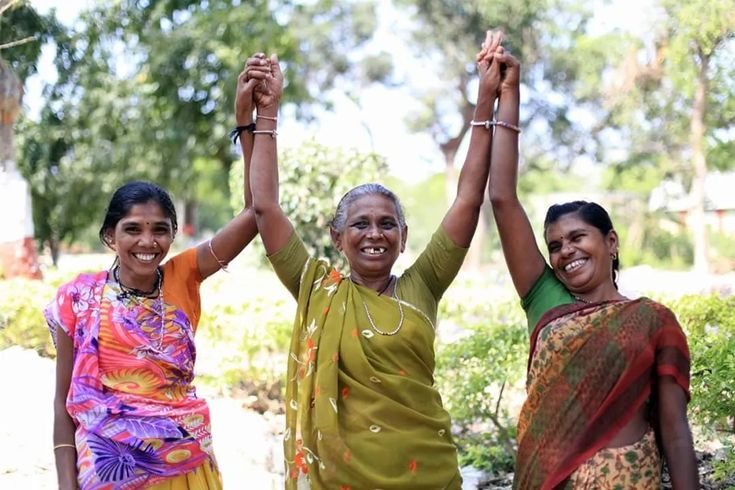
For women, especially those from low income backgrounds, sorting jobs offer them stable, local and hygienic empowerment that does not require formal education, just understanding basics of handling waste and sorting processes. These roles allow women to balance paid work with fulfilling financial responsibilities back at home. This makes recycling units, vital sites of economic participation.
But the impact goes far beyond income. Sorting work builds literacy about the tactile industry. Women learn how to differentiate between blended fabrics, natural fibres and different materials – knowledge which helps them shape the effectiveness of recycling units. Their expertise determines the success of units but also the life of a garment. They act as what we call “gatekeepers of circularity.”
Yet labour remains invisible, it is not talked about enough because sorting is a “back- end” activity disconnected from the glorified narratives of sustainability. The social value that recycling generates is what creates community resilience and yet it is rarely acknowledged.
At Respun, we believe in visibility that circularity includes people and these people should be designated as the pillars of sustainability. Because truly what is sustainability without human ecosystems, when clothes are responsibly recycled they don’t just avoid landfills, they sustain livelihoods, especially for women who are often excluded from this supply chain.
Textile recycling, when done right, extends beyond environmental solutions. It becomes a social one. Every garment sorted is not just a step away from waste, but a step towards economic inclusion.