
- What is textile recycling and why is it important?
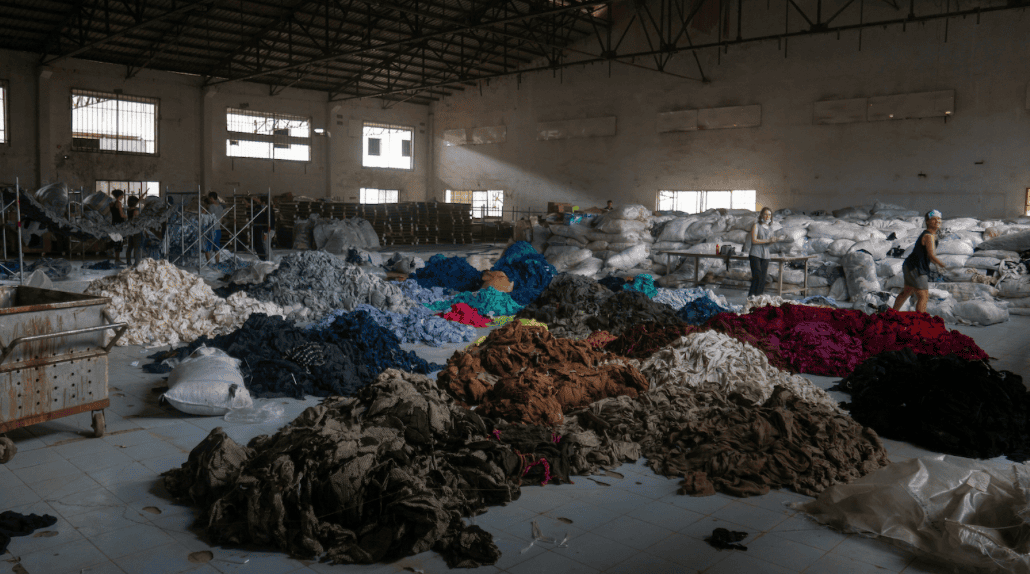
Textile recycling in simple language is a process of collecting old, unwanted, unused clothes or those who are not a part of the consumption or production cycle and converting them into new raw materials and products. This is an essential part of the current economy because most discarded clothes end up in landfills, where they release methane into the atmosphere. Recycling ensures that these textiles are a part of the circular cycle rather than being a part of a linear production process. Environmentally speaking, the aim of textile recycling is to reduce waste, emissions and overproduction.
- What types of clothes can be recycled?
Mostly, all clothes can be recycled – including worn out, damaged, faded items and even mixed fabric garments can be processed into something new and reusable even if they are no longer wearable.
- How can I get rid of my old clothes for recycling?
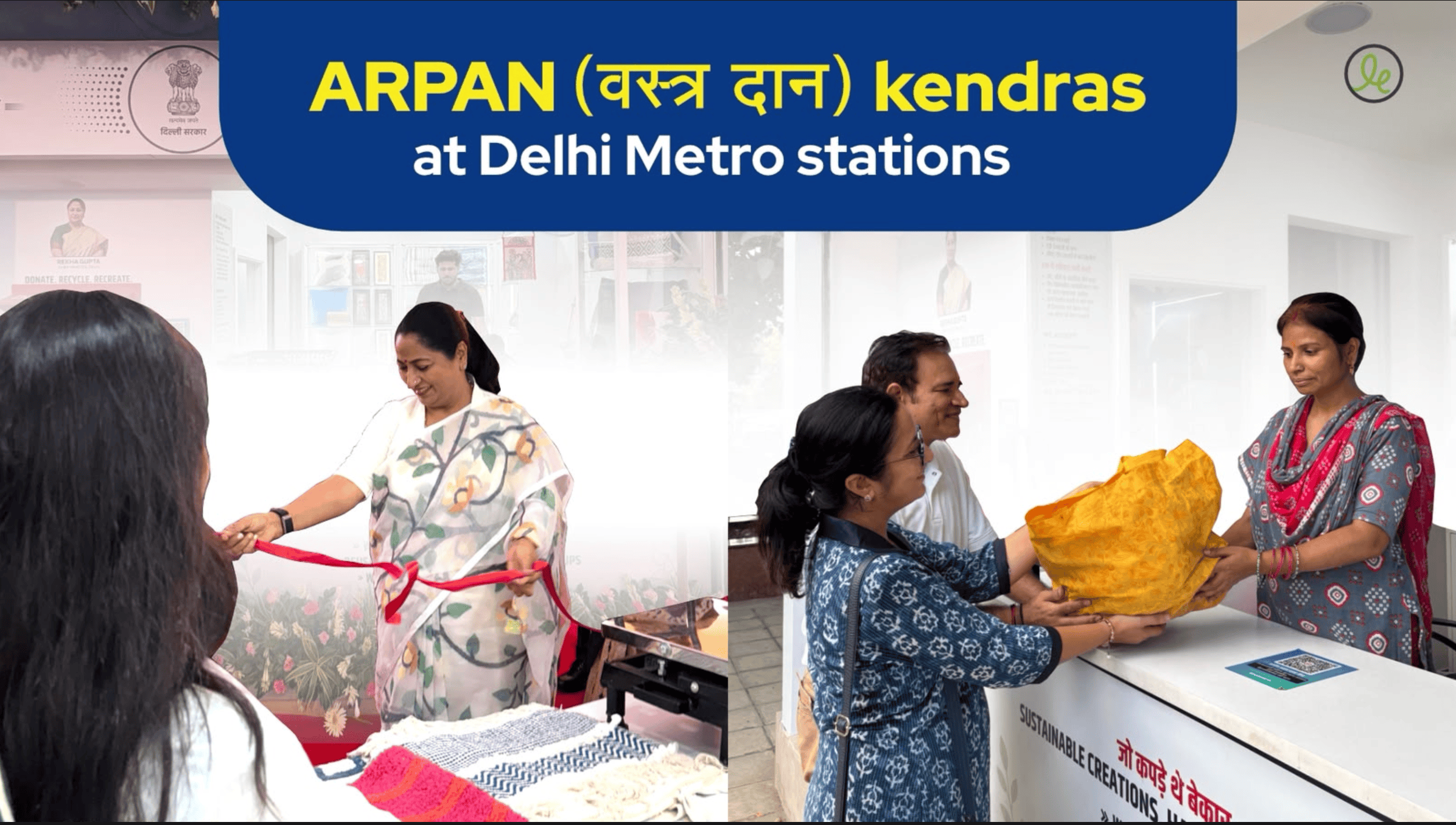
This is where organisations like Respun step in, what we aim to do is collect items through scheduled pick up booking made on our website or collecting items at strategically placed drop- off points. Once collected, the clothes are sorted and sent to appropriate units instead of directing them to landfills.
- Can bras and undergarments be recycled?
Yes, bras and undergarments can be recycled. For this you can check out our blog on our collaboration with Clovia, which provides you a guide of how we recycle multi- fabric items.
- Are there any costs involved in textile recycling programs?
Many programs are low cost, when organised as community or institutional drives. However, a circular economy startup like ours which promotes sustainability employs women labourers and provides them a hygienic environment to work in which involves costs, so we charge a small fee to cover collection, ensuring clothes are recycled responsibly rather than dumped.
- What happens to clothes after they are collected for recycling?
Collected clothes are sorted based on their condition and material. Wearable items may be reused, while damaged, multi fabric, or non wearable items are shredded and recycled into fibres used for home furnishings, cushion covers or other household items.
- Can I recycle clothes if I live outside major cities?
Yes, even though access may vary, recycling programs curate a coordinated system such that they can take bulk collections and schedule pick ups in small towns.
- How should I prepare clothes for recycling?
Keep clothes clean and dry. Remove non textile items like any accessory on the clothing item and the rest of the sorting will be done during processing by recycling units.
- Can businesses or organizations recycle leftover fabrics or bulk clothing?
Yes, organisations or institutions like schools, colleges, factories can recycle surplus fabric, uniforms and bulk clothing. For further information on this check out our blog on “Circular Uniforms”
- How does recycling clothes help the environment?
Recycling clothes reduces landfill waste, lowers greenhouse gas emissions, conserves water and energy, and decreases demand for new raw materials.